Bar Statistics
Bar Statistics as a part of Volume analysis tools provides volume data in a table form for every single bar on the chart.
Bar Statistics tool (sometimes called as Time Statistics) shows important volumetric values for each bar in a static grid-like fashion.
Make a Video
Click on the Bar Statistics from the Indicators Dropdown Menu to activate it and to add the necessary data type.
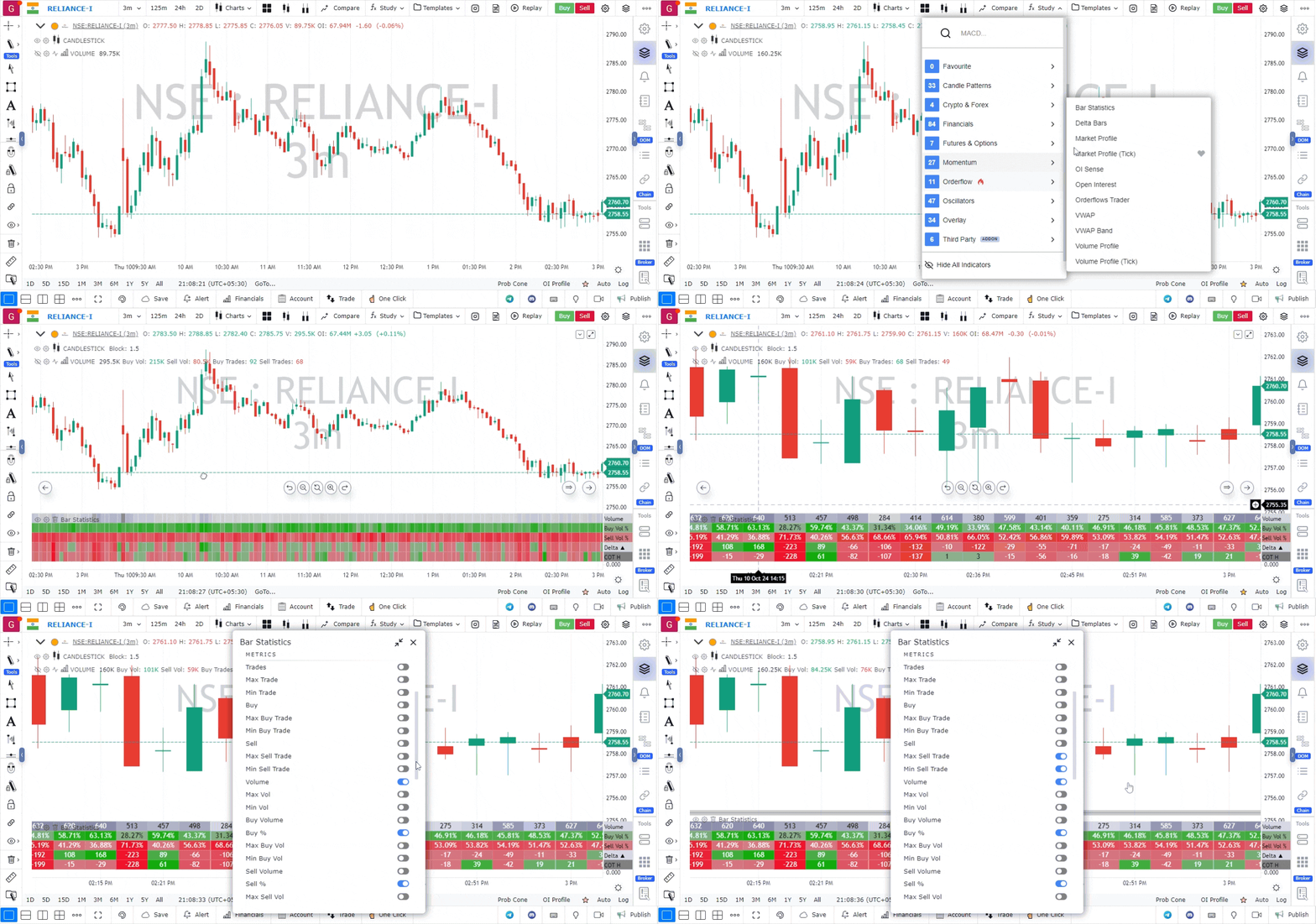
The main Data Types for Time Statistics:
- Trades — it’s the number of contracts (trades) that executed at each price level.
- Buy (or Sell) trades — it’s the number of Buy (or Sell) trades that executed at each price level.
- Volume — the total size of all positions that executed at each price level or price range.
- Buy (or Sell) Volume — the total size of all Buy (or sell) positions that executed at each price level or price range.
- Buy (or Sell) Volume, % — shows how many percent of the total volume relates to Buy (or Sell) trades
- Delta and Delta % — shows the difference in traded Volume between Buyers and Sellers. It allows evaluating who controls the price on the market at a given time. Delta % = Delta / Volume * 100
- Cumulative Delta — the data is built by adding the current delta value with each subsequent delta value for the certain period of time (or number of bars).
- VWAP, BVWAP, SVWAP — shows VWAP, Buyers VWAP and Sellers VWAP on every candle
- POC – The point of highest volume activity within the candle

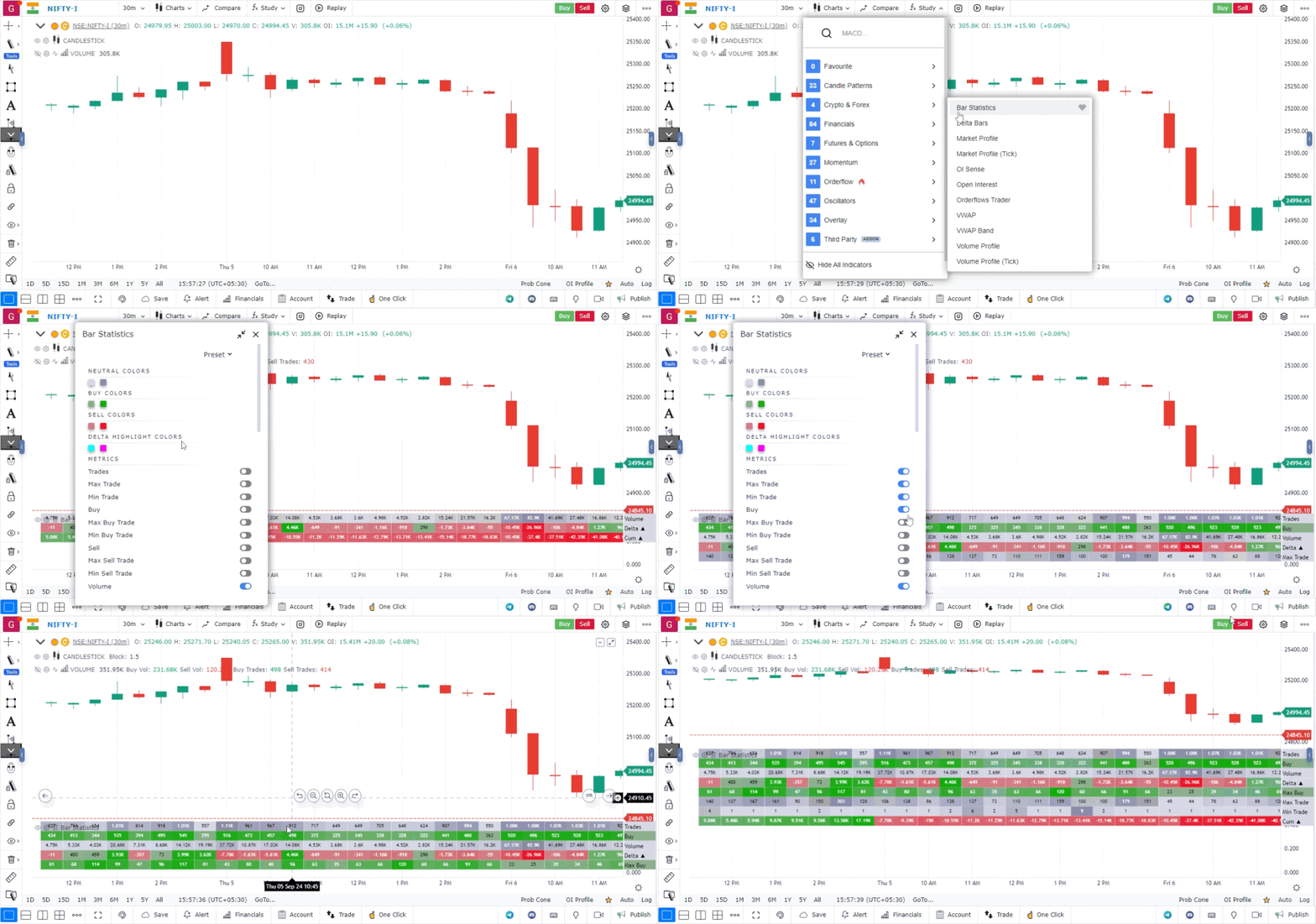
If you find yourself constrained by space and want to add more metrics to the indicator, simply drag the chart panel like below
Use Case
Bar Statistics displays detailed intrabar data including volume, delta (buy vs. sell volume), and other metrics directly on each price bar. It is essential for orderflow traders who need granular volume information.
Strategy
Use Bar Statistics to identify high-delta bars where buyers overwhelm sellers at key support levels. Look for bars with high volume but little price movement (absorption) as a sign of institutional support or resistance.
Common Mistakes
Do not trade Bar Statistics signals without understanding what constitutes a significant delta for your instrument. Avoid using it in low-volume sessions where delta imbalances are distorted. Do not ignore that single high-delta bars need broader context.