Choppiness Index
The Choppiness Index is a technical analysis tool designed to measure the market’s trendiness or choppiness. Developed by Australian trader E.W. Dreiss, the Choppiness Index helps traders identify whether the market is in a trending phase or a consolidating phase. This information is crucial for making informed trading decisions.
Overview of the Choppiness Index
The Choppiness Index is calculated using a formula that incorporates the highest and lowest prices over a specified period. The resulting value ranges from 0 to 100, where lower values indicate a trending market and higher values suggest a choppy or sideways market.
Key Features of the Choppiness Index
- Trend Detection: The Choppiness Index helps identify whether the market is trending or consolidating, which can guide trading strategies.
- Range of Values: The index ranges from 0 to 100, with values below 38 indicating a strong trend and values above 61 suggesting a choppy market.
- Versatile Application: The Choppiness Index can be used across various timeframes, making it suitable for different trading styles, including day trading and swing trading.
- Complementary Tool: It works well in conjunction with other technical indicators, enhancing the overall trading strategy.
How to Use the Choppiness Index
-
Open the platform:
- Log in to your account.
- Load the chart for the asset you want to analyze.
-
Select the Timeframe:
- Choose a suitable timeframe that aligns with your trading strategy (e.g., daily, hourly).
-
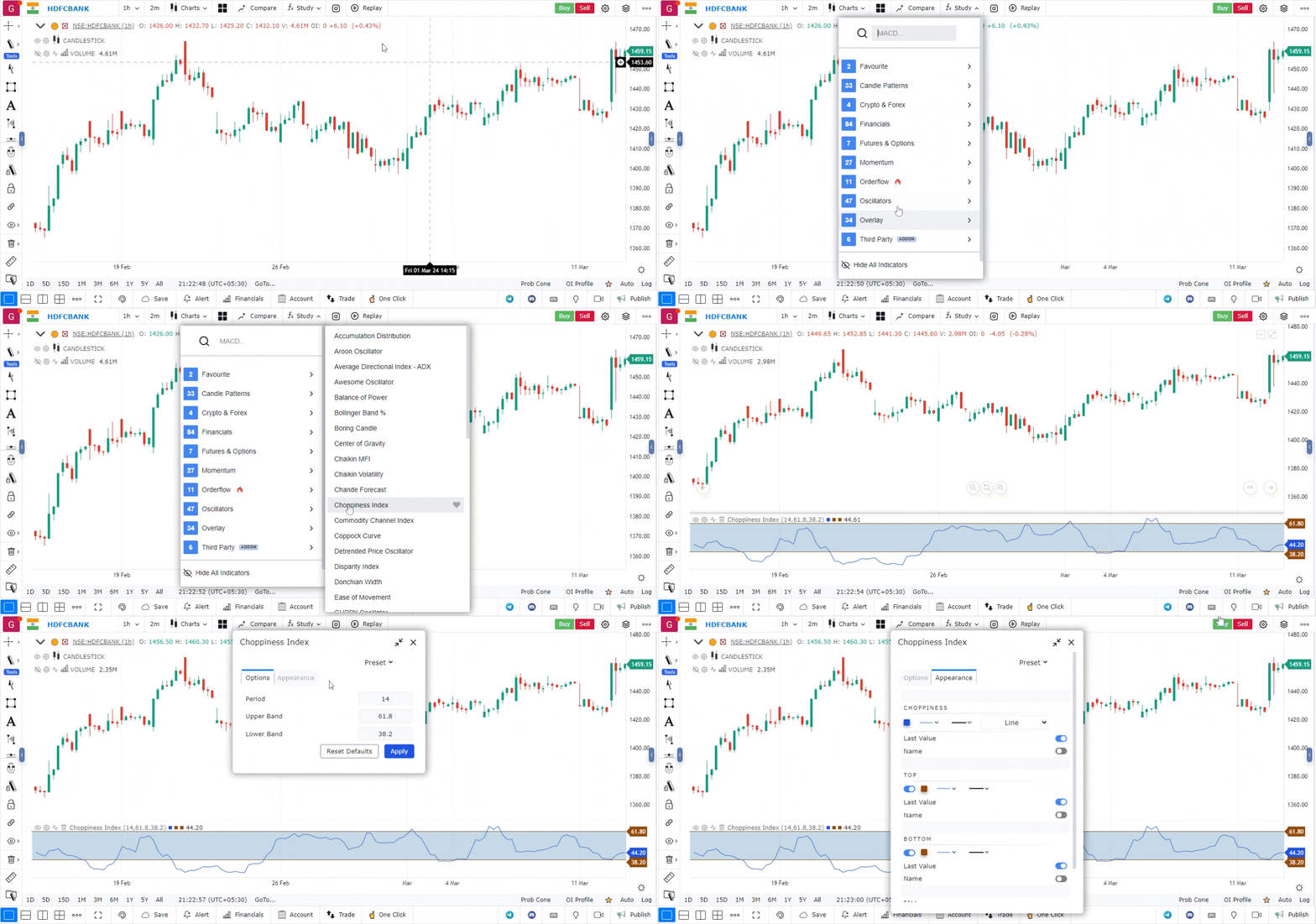
Add the Choppiness Index:
- Go to the Indicators section in the platform interface.
- Search for the Choppiness Index.
- Click to add the indicator to your chart.
-
Interpret the Indicator:
- The Choppiness Index will appear as a line below your price chart.
- A value below 38 indicates a strong trend (bullish or bearish), while a value above 61 suggests the market is consolidating or choppy.
-
Make Trading Decisions:
- In trending markets (below 38), consider following the trend and entering trades in the direction of the trend.
- In choppy markets (above 61), consider avoiding new trades or employing range-trading strategies.
-
Combine with Other Indicators:
- Use the Choppiness Index alongside other indicators (such as Moving Averages or MACD) for better confirmation of trading signals.
Use Case
The Choppiness Index determines whether the market is trending or ranging. Values above 61.8 indicate a choppy sideways market; values below 38.2 indicate a strong trend. It is essential for selecting the right strategy for current conditions.
Strategy
Before using any trend-following indicator, check the Choppiness Index. Only take trend-following entries when the index is below 50. When above 61.8, switch to mean-reversion strategies or stand aside entirely.
Common Mistakes
Do not use the Choppiness Index to predict direction. Avoid entering trend-following trades when the index is high. Do not use extremely short periods; the default 14 provides the most reliable readings.