ATR (Average True Range) Trailing Stop
The ATR (Average True Range) Trailing Stop indicator is a popular tool in trading for managing risk and determining exit points. It uses the ATR value to set a dynamic stop-loss level that moves with the price, allowing traders to lock in profits while giving the trade room to fluctuate. Here’s how it works and how you can utilize it:
ATR Trailing Stop
-
What is the ATR Trailing Stop?
- The ATR Trailing Stop is a volatility-based indicator that adjusts the stop-loss level according to the market’s volatility.
- It uses the ATR value to calculate the stop distance from the highest high (for long positions) or the lowest low (for short positions).
-
How the ATR Trailing Stop Works:
- For a long position: The stop level is set a certain multiple of the ATR value below the highest price reached since the trade was entered.
- For a short position: The stop level is set a certain multiple of the ATR value above the lowest price reached since the trade was entered.
- As the price moves in your favor, the stop level trails behind, locking in profits while still allowing for some fluctuations.
Using the ATR Trailing Stop Indicator
-
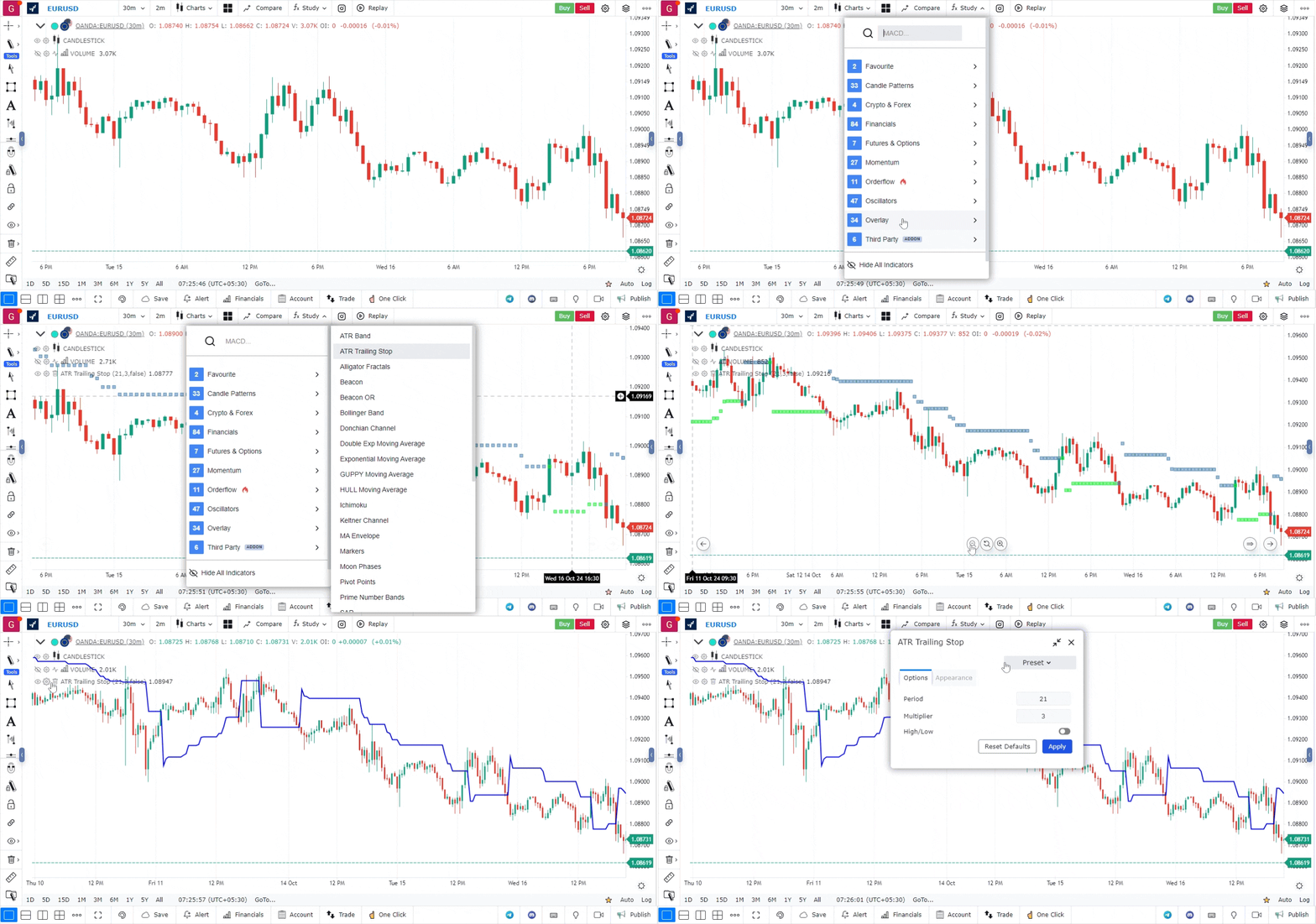
Adding the ATR Trailing Stop to Your Chart:
- Open the platform and load the chart of the instrument you are trading.
- Navigate to the Indicators menu, and search for “ATR Trailing Stop.”
- Click on it to apply the indicator to your chart.
-
Configuring the ATR Trailing Stop Settings:
- You can customize the ATR period to determine how the ATR value is calculated (usually a 14-period is the default).
- Adjust the multiplier to define how far the trailing stop will be placed from the price. Common multipliers are 1.5, 2, or 3 times the ATR.
- The larger the multiplier, the wider the stop distance, which allows for more significant price movements before triggering the stop.
-
Interpreting the ATR Trailing Stop:
- Trend Following: The ATR Trailing Stop is effective in trend-following strategies. When the trend reverses enough to hit the trailing stop, it signals that it might be time to exit the position.
- Dynamic Stop-Loss: As volatility changes, the stop distance adapts, making it more robust against sudden market moves and reducing the risk of premature exits.
-
Using ATR Trailing Stop for Trade Management:
- The indicator can be used to set exit points for your trades automatically, ensuring that you have a disciplined risk management strategy.
- It is beneficial for both swing traders and day traders looking to lock in profits without manually adjusting the stop-loss levels.
Use Case
The ATR Trailing Stop is a dynamic stop-loss tool that adjusts based on the Average True Range of the market. It trails price in the direction of the trend, widening in volatile markets and tightening in calm ones.
Strategy
In an uptrend, set the ATR Trailing Stop below price using a 3x ATR multiplier. As price rises, the stop moves up but never moves down. Exit the trade when price closes below the trailing stop level.
Common Mistakes
Do not set the ATR multiplier too tight or normal market noise will stop you out prematurely. Avoid using ATR Trailing Stops in very low-volatility markets where even small ATR multiples create large percentage stops. Always confirm the trend direction before applying.