Accumulation Distribution Indicator
The Accumulation Distribution Indicator (A/D) is a technical analysis tool that measures the cumulative flow of money into and out of an asset. It helps traders determine the overall market sentiment and whether an asset is being accumulated (bought) or distributed (sold) over time. The A/D indicator is particularly useful for identifying potential trend reversals and confirming price trends.
Key Features of the Accumulation Distribution Indicator:
- Volume Analysis: Combines price and volume data to provide insights into buying and selling pressure.
- Trend Confirmation: Helps confirm the strength of a price trend based on the accumulation or distribution of shares.
- Divergence Detection: Identifies divergences between price and volume, which can signal potential reversals.
Here’s the conversion of the image content to Markdown format:
Calculation of the Accumulation Distribution Indicator
The Accumulation Distribution is calculated using the following formula:
Where:
- = Current Close price
- = Current Low price
- = Current High price
- = Current Volume
- = The previous value of the Accumulation Distribution Indicator
Steps to Calculate A/D for a given period
- Calculate the Money Flow Multiplier:
- Multiply by Volume:
-
Calculate the A/D:
- Add the current Money Flow Volume to the previous A/D value to get the current A/D value.
Using the Accumulation Distribution Indicator
To effectively analyze the Accumulation Distribution Indicator, follow these steps:
-
Load the Chart for the Asset:
- Open the platform.
- Load the chart for the specific asset you wish to analyze.
-
Set the Timeframe:
- Choose an appropriate timeframe for your analysis (e.g., daily, hourly). The A/D Indicator can be applied to various timeframes.
-
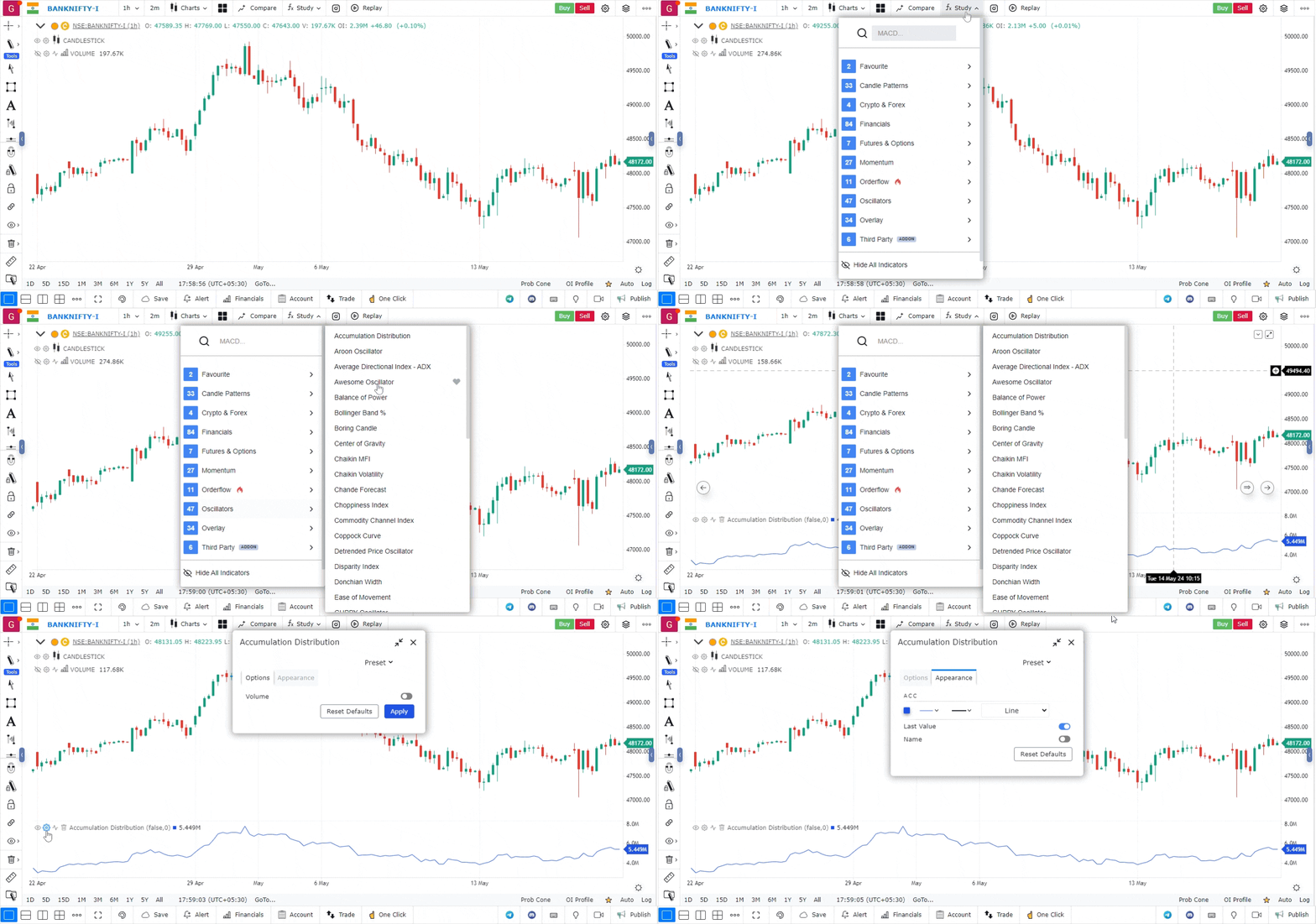
Add the Accumulation Distribution Indicator:
- Navigate to the Indicators section on the platform.
- Search for Accumulation Distribution in the list of available indicators.
- Click on the Accumulation Distribution Indicator to add it to your chart. It will appear in a separate panel below the main price chart.
-
Interpret Signals:
- Increasing A/D: An increasing A/D line indicates that accumulation is taking place, suggesting bullish sentiment.
- Decreasing A/D: A decreasing A/D line indicates that distribution is occurring, suggesting bearish sentiment.
- Divergence: Look for divergences between price and the A/D line. For example, if prices are making new highs but the A/D is making lower highs, this could indicate weakening buying pressure and a potential reversal.
Use Case
Accumulation Distribution measures the flow of money into and out of a security by combining price and volume. It is ideal for confirming trends and spotting divergences between price and volume before a reversal occurs.
Strategy
Look for divergence between the Accumulation Distribution line and price. When price makes a new high but the indicator fails to confirm, prepare for a reversal short. Use with a 20-period EMA on price to confirm trend direction before acting on signals.
Common Mistakes
Avoid using Accumulation Distribution in isolation. Do not treat every divergence as a trade signal; wait for price structure to confirm. Ignoring the broader trend leads to fading strong moves prematurely.