Doji Candlestick Pattern
A Doji is a unique candlestick pattern characterized by its small real body, which indicates indecision in the market. It occurs when the opening and closing prices are virtually the same, creating a horizontal line with little to no body. The presence of a Doji can signal potential reversals in the market trend, depending on the preceding price action.
Characteristics of the Doji Pattern:
- Shape: The Doji candlestick has a very small body, which can be green (bullish) or red (bearish), but the key feature is that the open and close prices are nearly identical. The upper and lower shadows can vary in length.
- Indecision: The Doji signifies a struggle between buyers and sellers, indicating that neither side has gained control. It often occurs after a strong price movement, suggesting a possible pause or reversal in trend.
- Types of Doji: There are several types of Doji patterns, including:
- Standard Doji: Equal upper and lower shadows with a very small body.
- Gravestone Doji: A Doji with a long upper shadow and little to no lower shadow, indicating potential bearish reversal.
- Dragonfly Doji: A Doji with a long lower shadow and little to no upper shadow, indicating potential bullish reversal.
Identifying the Doji Pattern
To analyze and identify the Doji pattern, follow these steps:
-
Load the Chart for the Asset:
- Open the platform.
- Load the chart for the specific asset you wish to analyze.
-
Set the Timeframe:
- Choose an appropriate timeframe that fits your analysis needs. Daily, weekly, or other longer intervals are generally more reliable for spotting the Doji pattern.
-
Select Candlestick Chart:
- Ensure that the chart type is set to “Candlestick” so you can visualize the patterns clearly.
-
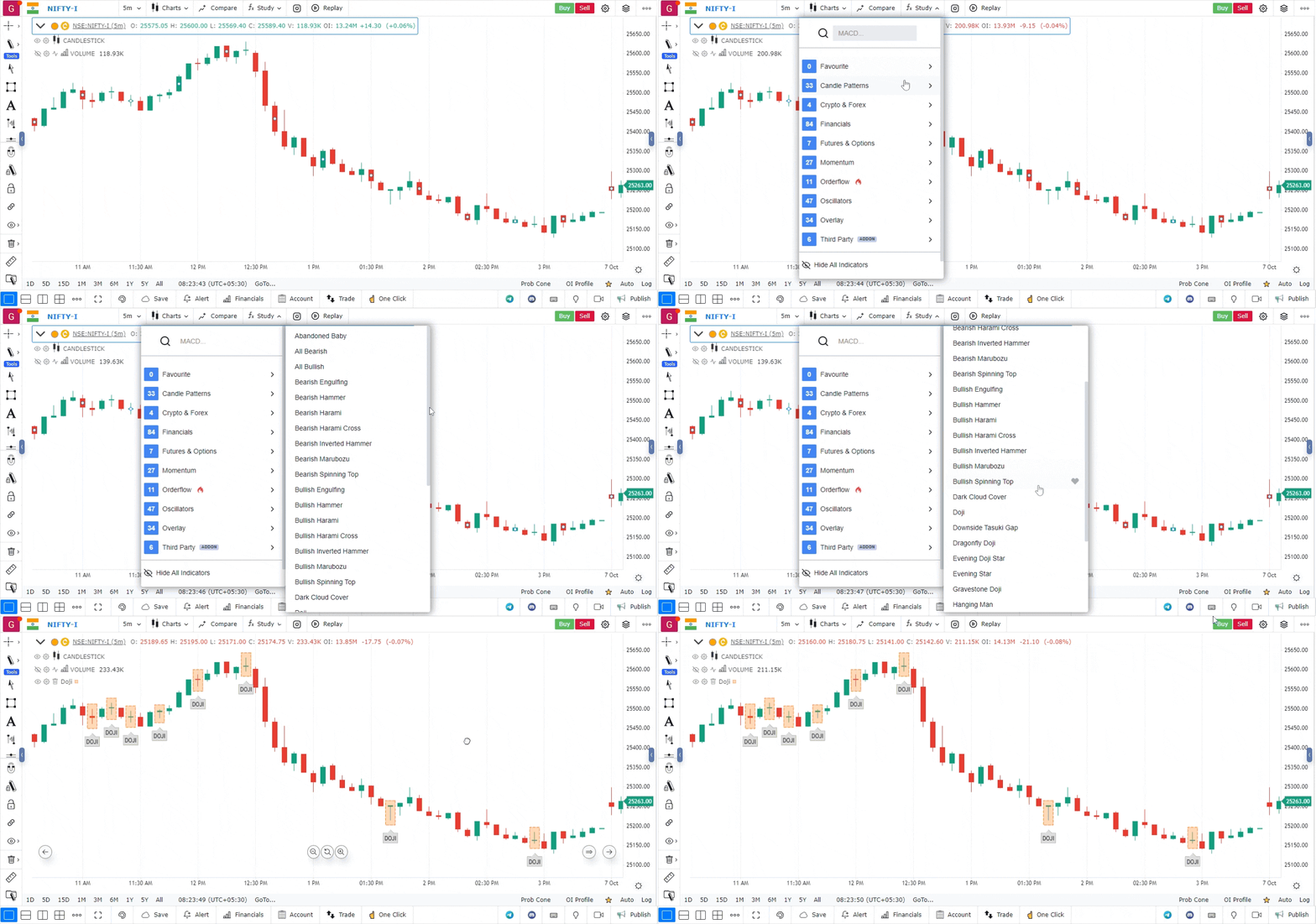
Use the Pattern Recognition Tool:
- Click on the FX Study section within the platform.
- Navigate to the Candlestick Pattern menu.
- Select the Doji Pattern from the available list of patterns.
- The platform will automatically highlight occurrences of the Doji pattern on your chart, making it easier to identify areas of indecision.
Use Case
A Doji forms when the open and close prices are nearly equal, creating a cross-like appearance. It signals market indecision and, when formed at key levels after a trend, can indicate a potential reversal as neither buyers nor sellers could take control by the close.
Strategy
Use the Doji as a warning signal rather than a standalone entry. When a Doji forms at a significant support or resistance level after a strong trend, wait for the next candle to confirm direction. Enter in the confirmed direction with a stop beyond the Doji’s extreme wick.
Common Mistakes
Do not trade every Doji as a reversal signal; they are common in ranging markets where they have little predictive value. Avoid entering before next-candle confirmation. Do not use Dojis on instruments with tight bid-ask spreads where open and close are always near-equal by default.