Bearish Marubozu Pattern
The Bearish Marubozu is a strong candlestick pattern that signals the continuation of a bearish trend or the beginning of a new downtrend. It is characterized by a long bearish candle with no wicks (or shadows) at either end, indicating that sellers controlled the price action from the opening to the closing.
Characteristics of the Bearish Marubozu Pattern:
- Shape: The Bearish Marubozu has a long solid red (or black) body without upper or lower shadows. This means the open price is the high of the day, and the close price is the low of the day.
- Location: It can appear at the beginning of a downtrend, confirming bearish momentum, or within a downtrend, signaling a continuation of the existing trend.
- Signal: It indicates strong selling pressure, with no buyers stepping in during the session, suggesting that the downtrend is likely to continue.
Identifying the Bearish Marubozu Pattern
To identify and analyze the Bearish Marubozu pattern, follow these steps:
-
Load the Chart for the Asset:
- Open the platform.
- Load the chart for the specific asset or instrument you want to analyze.
-
Set the Timeframe:
- Choose an appropriate timeframe that fits your analysis needs. Daily, weekly, or even shorter intervals like hourly charts can be used to identify the Bearish Marubozu pattern.
-
Select Candlestick Chart:
- Ensure that the chart type is set to “Candlestick” so you can clearly see the candlestick patterns.
-
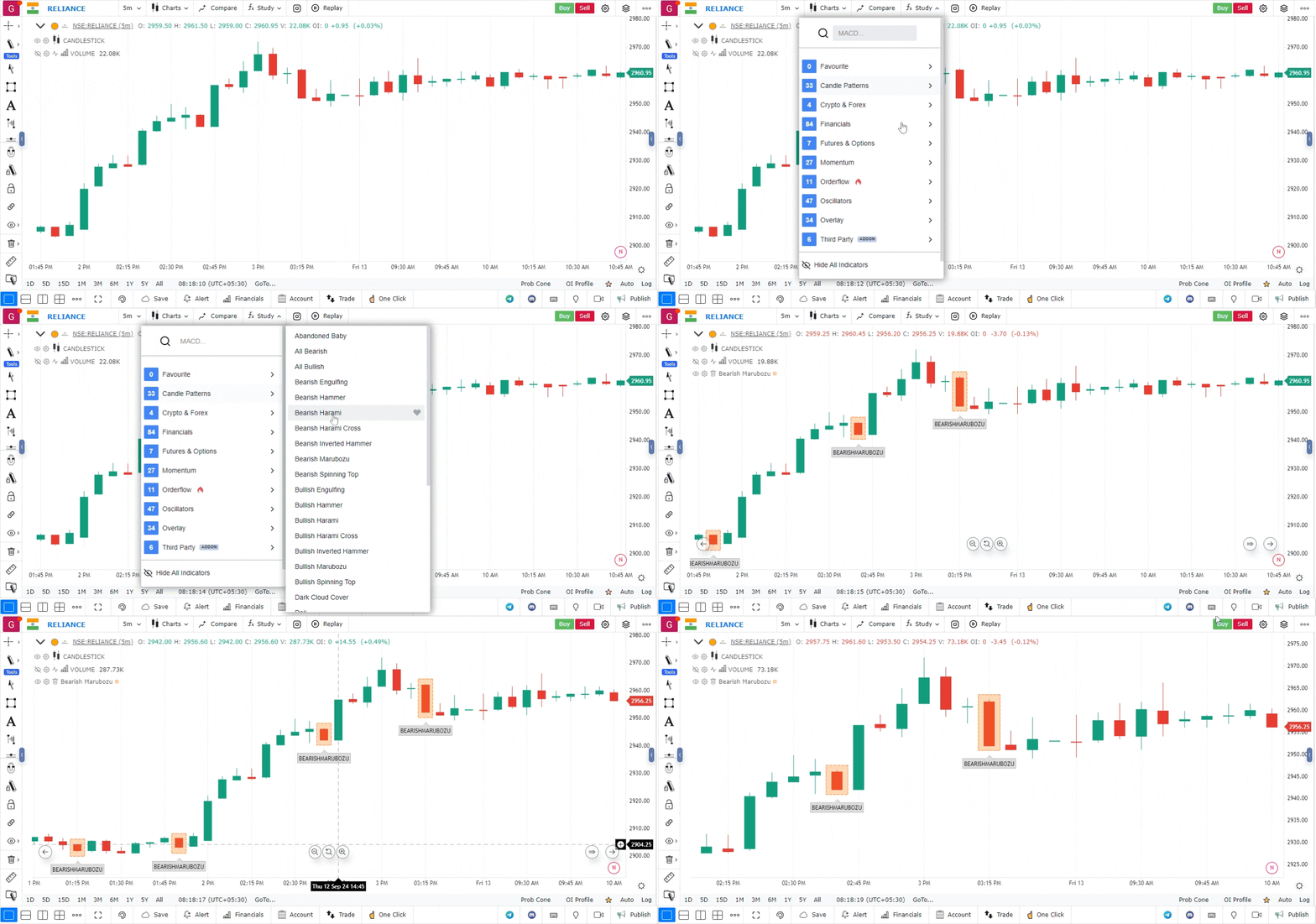
Use the Pattern Recognition Tool:
- Click on the FX Study section on the platform.
- Navigate to the Candlestick Pattern menu.
- Select the Bearish Marubozu Pattern from the list of available patterns.
- The tool will automatically highlight occurrences of the Bearish Marubozu pattern on your chart, making it easier to spot potential bearish signals.
Use Case
The Bearish Marubozu is a long bearish candle with no upper wick and little or no lower wick, indicating sellers were in complete control throughout the session with no recovery attempt. It is one of the strongest single-candle bearish signals.
Strategy
In a downtrend, enter short on the next bar’s open after a Bearish Marubozu, or use it as confirmation of a resistance rejection if it forms at a key resistance level. Set stops above the Marubozu’s open. Target the next significant support level.
Common Mistakes
Do not trade Bearish Marubozu in isolation without trend context. Avoid entering short after a Bearish Marubozu that forms in the middle of a well-defined support zone. Do not ignore that after extreme bearish Marubozu candles, short-term counter-trend bounces are common before the trend resumes.